Hunt, Haunt, Style: The Alt Girl's Complete Guide to Thrifting a Wardrobe That Hits
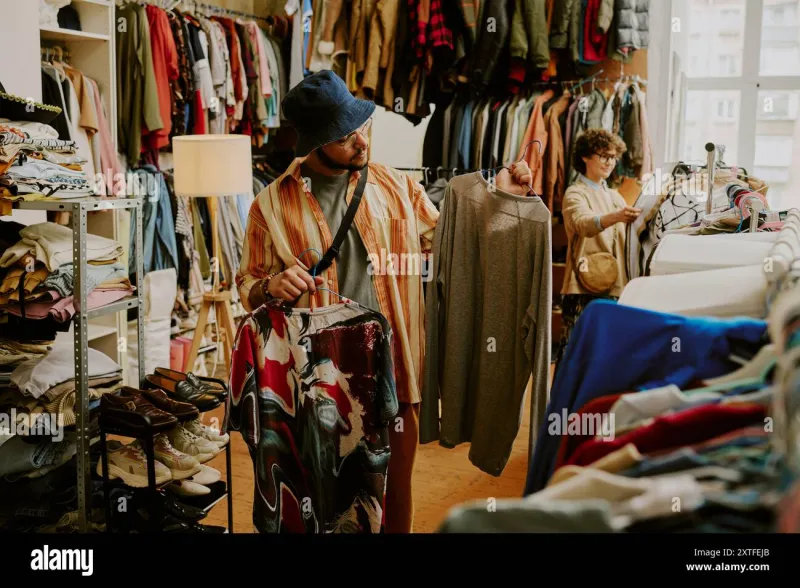
Photo: woman thrift shopping vintage clothing rack alternative fashion secondhand store aesthetic, via c8.alamy.com
Let's be honest about something: a lot of the most iconic alt looks you've ever seen were assembled on a shoestring. That perfectly worn leather jacket? Thrifted. The sheer Victorian blouse layered under a band tee? Estate sale. The chunky silver rings? Flea market, three for five bucks. Alternative fashion has always had a DIY, scavenger-hunt energy to it — and that instinct lines up perfectly with secondhand shopping.
But thrifting with intention, especially when you're trying to build a cohesive aesthetic rather than just a pile of random finds, takes some strategy. Here's everything you need to know.
Get Clear on Your Aesthetic Before You Shop
This sounds obvious, but it's the step most people skip — and it's why they end up with a closet full of interesting individual pieces that never quite work together.
Before you set foot in a Goodwill or open Depop, spend twenty minutes doing a genuine aesthetic audit. What's the core feeling you're going for? Dark romance? Gothic Victorian? Ethereal grunge? Soft punk? These aren't just aesthetic labels — they're actually useful shopping filters.
For dark romance, you're hunting for: lace details, velvet textures, deep jewel tones, Victorian-inspired silhouettes, anything with a slightly decayed elegance.
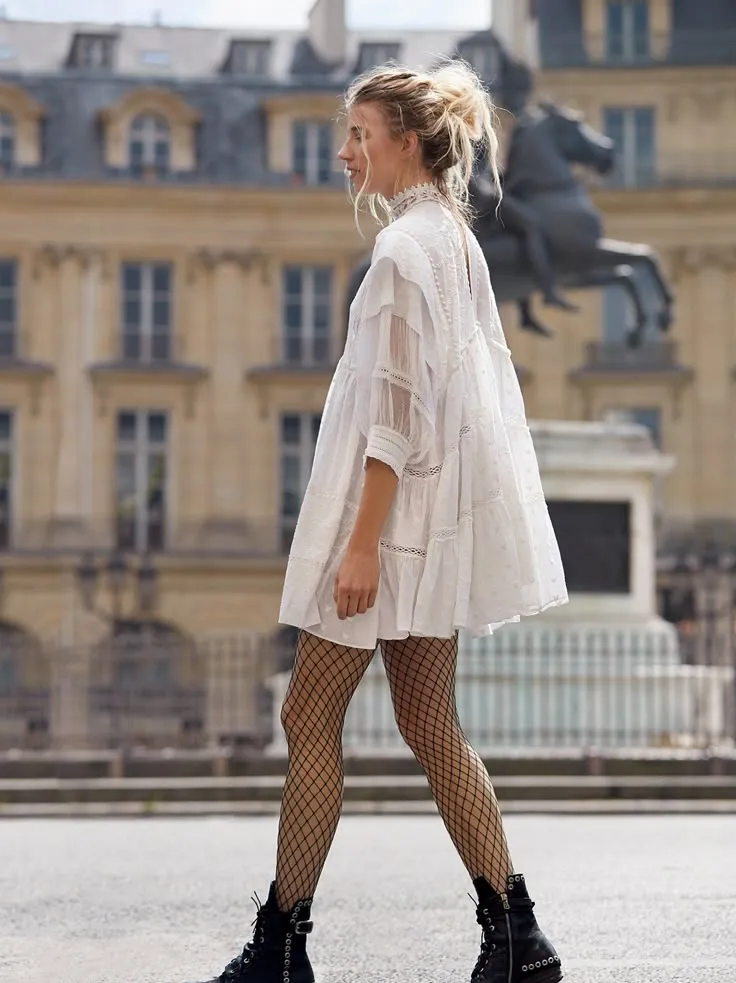
For soft punk or ethereal grunge, look for: sheer fabrics in unexpected colors, oversized band or graphic tees, slip dresses, anything that creates interesting contrast when layered.
Having a mental (or literal — no judgment) mood board before you shop keeps you from impulse-buying a neon windbreaker just because it's $2 and interesting. Stay focused.
The Eras Worth Hunting
Certain decades are thrift gold for alt aesthetics, and knowing which ones to zero in on saves you enormous amounts of time on the racks.
The 1970s — Velvet blazers, prairie blouses, interesting textures, and a general maximalism that translates beautifully into dark romantic layering. Look for quality natural fabrics: silk, wool, real velvet.
The late 1980s and early 1990s — This is arguably the richest era for alternative thrifting. Band tees (check for single-stitch construction on the sleeves — that's the vintage marker), oversized flannels, chunky knitwear, slip dresses, and leather goods that were built to last.
The early 2000s — Currently cycling back into thrift stores as the generation who wore it first is clearing out their closets. Corset-style tops, mesh layering pieces, and interesting denim cuts are hitting shelves right now.
Victorian and Edwardian reproductions from the 1970s–90s — Department stores during this period produced a surprising number of lace-trimmed, high-necked, romantically detailed pieces. They're not authentic antiques, but they're beautifully made and incredibly thrift-friendly.
Where to Actually Shop
In-person thrift chains: Goodwill and Salvation Army are the obvious starting points, but regional chains often have better curation. In the US, look for Value Village (also called Savers), Unique Thrift, and any locally owned vintage shops in your city's arts district — these spots tend to pull from more interesting donation pools.
Estate sales: Underrated and underutilized. EstateSales.net lets you search by zip code. Older estates especially yield incredible vintage finds — real silk, genuine leather, well-constructed pieces that were built before fast fashion existed.
Online: Depop is still the best platform for alt-adjacent pieces specifically. Poshmark has better search filters if you know exactly what you're looking for. ThredUp is hit-or-miss for this aesthetic but worth checking for basics. eBay remains unmatched for specific vintage band tees and leather goods if you're willing to be patient.
Quality Red Flags to Avoid
Thrifting means you can't always try things on or examine them closely, especially online. Here's what to watch for.
Pilling on knits — Once a sweater is pilled, it won't un-pill. Pass.
Zipper condition — Replacing a zipper costs more than most thrift finds are worth. Test zippers before buying in person; ask sellers for video of the zipper functioning when shopping online.
Armpit staining on white or light fabrics — This is almost always permanent. Don't talk yourself into it.
Cheap synthetic velvet — Real velvet has weight and a distinct pile direction. Cheap polyester velvet looks flat and pills immediately. Run your hand against the grain: real velvet has obvious resistance.
Leather vs. pleather — Real leather smells like leather and has irregular grain patterns. Faux leather has a perfectly uniform texture and a slight plasticky smell. For pieces you're investing real money in (even secondhand), hold out for genuine leather.
Styling Disparate Pieces Into a Unified Look
The hardest part of thrift-built wardrobes isn't finding the pieces — it's making them feel intentional rather than random. A few principles that actually work:
Anchor with one signature element. Every outfit should have one piece that clearly signals your aesthetic. Everything else can be more neutral or unexpected as long as that anchor is doing its job.
Repeat a color story. You don't need a matching set — you need a color palette that recurs across pieces. Black, burgundy, and dusty rose can tie together a velvet blazer, a floral slip dress, and a band tee if you're consistent about it.
Layer with intention. A sheer blouse over a band tee, a slip dress over a turtleneck, a structured blazer over something flowing — these combinations create the kind of visual complexity that makes thrifted looks feel curated rather than thrown together.
Let hardware be your through-line. Silver rings, a chain belt, silver-toned boot buckles — consistent metal tones across accessories create cohesion even when the clothes themselves are wildly different.
The Values Alignment You Already Know
Here's the thing that doesn't need a hard sell for most of the Iron Rose community: buying secondhand is the most straightforward way to opt out of fast fashion's cycle of exploitation and waste. Alt fashion has always had a countercultural relationship with mainstream consumer culture. Choosing secondhand over fast fashion drops isn't a sacrifice — it's consistent with the values that drew most of us to alternative aesthetics in the first place.
You get better quality, more interesting pieces, a genuinely lower environmental footprint, and the particular satisfaction of knowing nobody else has your exact look. That last part? Genuinely priceless.
Now go haunt your local thrift store. Your wardrobe is waiting somewhere on those racks.