Blood on the Velvet: The Dark Truth Behind Alt Fashion's Most Covetable Pieces
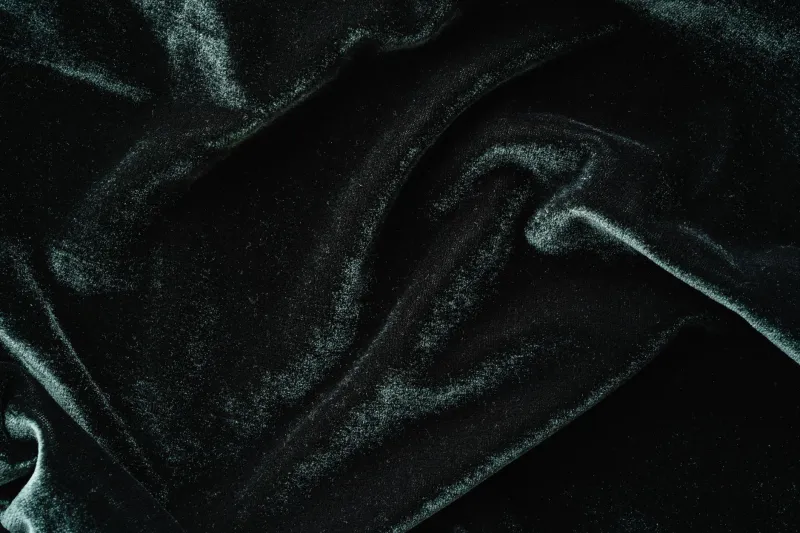
There's something intoxicating about the moment you find the piece — the one that feels like it was stitched together specifically for you, like it carries some kind of dark energy you've been chasing for years. Maybe it's a floor-length velvet duster with hand-sewn bone buttons. Maybe it's a structured corset made from leather so buttery it barely feels real. Maybe it's a hand-cast silver ring shaped like a thorn-wrapped skull.
You want it. Of course you do. But here's the question that doesn't get asked nearly enough in alt fashion spaces: at what cost, and to whom?
The alternative fashion world has always positioned itself as an outsider — anti-mainstream, anti-corporate, anti-exploitation. The aesthetics scream resistance. The community rhetoric champions individuality over conformity. But the supply chains behind some of the most coveted dark luxury pieces tell a much more complicated story, one that deserves a long, unflinching look.
The Illusion of Transgression
Here's the uncomfortable paradox at the heart of premium alt fashion: the very qualities that make a piece feel transgressive — rare materials, labor-intensive construction, a sense that it came from somewhere other — are often produced through the same extractive systems that alt culture claims to reject.
Velvet, for instance, has a long and thorny production history. The most opulent varieties — silk velvet, devore velvet — require intensive weaving processes that, when produced at scale, frequently rely on underpaid garment workers in South and Southeast Asia. The same goes for hand-dyed fabrics, which can involve toxic chemical processes that workers handle without adequate protection. Your $280 hand-dyed Gothic lolita blouse might be genuinely artisanal — or it might have traveled through a factory in Bangladesh where "hand-dyed" is a marketing phrase applied to industrial processes.
The leather situation is even murkier. Premium leather goods — the kind with that intoxicating smell and the weight that signals quality — often originate from tanneries that are among the most environmentally damaging facilities in the global textile industry. Chrome tanning, the most common method, generates heavy metal waste that frequently ends up in waterways near tanneries in countries like India and Bangladesh. Kanpur, India, one of the world's largest leather-producing cities, has been documented by environmental groups as having severely contaminated groundwater directly tied to tannery runoff.
None of this is unique to alt fashion. But alt fashion's self-image as a counter-cultural force makes the dissonance sting a little harder.
Who's Actually Doing It Right
The good news — and there genuinely is some — is that a real ecosystem of ethical, aesthetically uncompromising brands has taken root, particularly in the US and EU. They're not always cheap, but they're transparent, and transparency is worth paying for.
Nuit NYC has built a reputation for small-batch production with documented supply chains. Their velvet pieces are sourced from mills in Portugal and Italy with verified labor standards, and they publish their factory partnerships directly on their site. The aesthetic is dark and sculptural, the kind of thing you'd wear to a gallery opening that ends at a cemetery.
Restyle, a Polish brand with a strong US following, has been increasingly transparent about its manufacturing process and uses PETA-approved vegan materials across many of its collections — critical for consumers who want the look of leather without the ethical weight.
VOZ Apparel isn't strictly alt in its branding, but its commitment to indigenous artisan partnerships and natural dye processes produces textiles with a dark, earthy richness that translates beautifully into alternative wardrobes. If you're building a slow-fashion alt wardrobe, their pieces are worth the investment.
For leather specifically, Filson (yes, the heritage outdoor brand) uses domestic leather sourced from US hides, with tanning done in American facilities subject to EPA oversight. Their aesthetic skews rugged rather than goth, but the raw material quality is exceptional for DIY customization.
Red Flags to Watch For
Not every brand that sounds ethical actually is. Here's what to look for — and what to question — when a brand is positioning itself as conscious:
Vague sustainability language. Words like "eco-friendly," "responsibly made," and "artisanal" mean absolutely nothing without specifics. Where is the factory? What certifications does it hold? Who audits those certifications? If a brand can't answer those questions on their website, they probably don't want you asking.
Price points that don't add up. A hand-sewn, ethically produced velvet corset cannot realistically retail for $60. If the price seems too good to be true for a brand claiming artisan production, it almost certainly is. Someone is absorbing that cost — and it's usually the person doing the sewing.
Drop-shipping aesthetics. A huge swath of the "dark luxury" market on platforms like Etsy and Instagram is actually drop-shipped from manufacturers in China and rebranded with moody photography and occult-adjacent copy. That's not inherently sinister — some of those products are fine quality — but it's worth knowing what you're actually buying and from whom.
Fast-fashion infrastructure dressed up goth. Several larger alt-adjacent brands have exploded in popularity recently by producing trend-driven dark pieces at fast-fashion speed and scale. The pieces look incredible. The production practices, when investigated, often mirror exactly what you'd find at Shein or Fashion Nova. The skull motif on the tag doesn't change the supply chain.
Navigating the Paradox Without Losing Your Edge
So where does this leave the alt consumer who wants to dress with intention without becoming a walking ethical compromise?
First: embrace the secondhand market without apology. Thrifting and vintage sourcing aren't a consolation prize — they're genuinely the most sustainable way to build a wardrobe full of interesting, high-quality pieces. Estate sales, Depop, and local consignment shops are where the real finds live, and nothing carries energy like something that's already lived a life.
Second: invest in fewer, better things. The alt aesthetic has always had a complicated relationship with excess, but the most compelling dark wardrobes tend to be built around signature pieces rather than volume. One exceptional leather jacket from a brand you've researched and respect will serve you better — aesthetically and ethically — than a closet full of fast-fashion approximations.
Third: ask questions out loud. Leave comments. Send emails. Tag brands in posts asking about their supply chain. The alt community is vocal and influential enough that collective pressure genuinely moves the needle. Brands that ignore transparency questions long enough will find their community moving on.
Finally: hold the tension. You don't have to choose between your aesthetic and your ethics, but you do have to stay uncomfortable. The velvet trap is real — the seduction of beautiful, dark, luxurious things is part of what drew most of us to this world in the first place. The work is refusing to let that seduction become an excuse for looking away.
The thorns were always part of the rose. So was the responsibility to know where it was grown.