Dark and Conscious: Your No-BS Guide to Building an Ethical Alt-Fashion Wardrobe
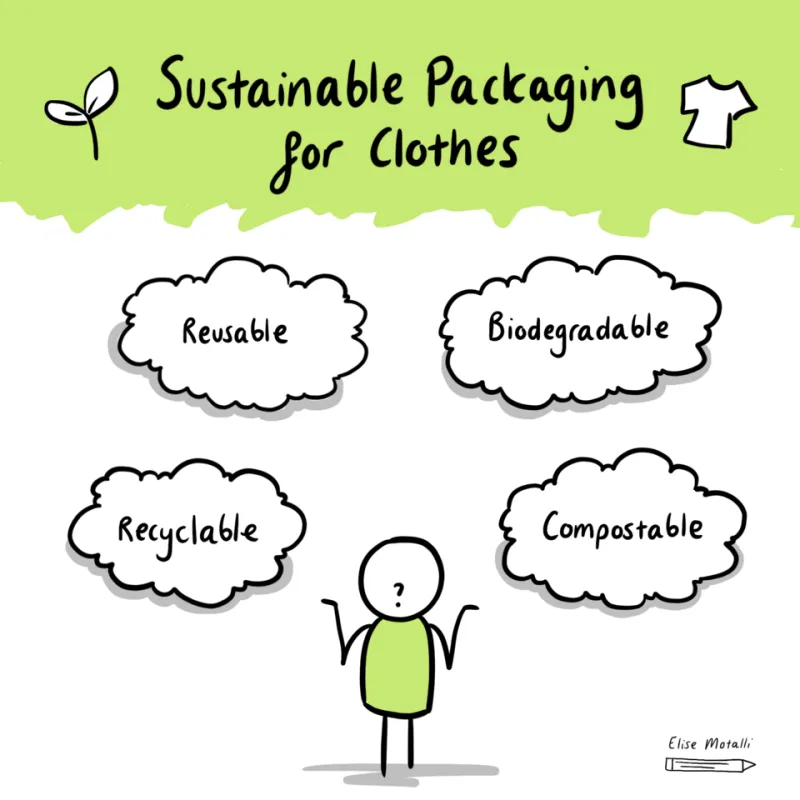
Photo: Elise Motalli, CC BY 4.0, via Wikimedia Commons
Let's be real for a second. If you're into alternative fashion — goth, dark romantic, punk-adjacent, whatever corner of the aesthetic you call home — you've probably felt the specific frustration of trying to shop ethically. The sustainable fashion conversation tends to skew toward minimalist capsule wardrobes in beige and white linen. Which, fine, good for those people. But that's not your wardrobe, and it doesn't have to be.
The good news: building an ethical wardrobe when your taste runs dark is absolutely possible. It just requires a slightly different playbook than what the mainstream sustainable fashion blogs are handing you.
Why This Is Actually Harder (and Worth Talking About)
First, let's acknowledge the real challenge. The alternative fashion market is heavily dominated by fast fashion brands that have figured out that goth and alt consumers are underserved by mainstream retailers. Brands like Shein and Fashion Nova have expanded into alt aesthetics specifically because they can produce high-volume, low-cost versions of looks that independent designers originated. The result is a market flooded with cheap velvet, low-quality hardware, and lace that falls apart after three washes — all at prices that make it genuinely difficult to justify spending more.
At the same time, a lot of smaller indie brands that do cater to dark aesthetics are operating on thin margins and haven't been able to build out robust supply chain transparency. That doesn't make them bad actors — it makes them small businesses doing their best. But it does mean you can't just assume "indie brand" equals "ethical brand."
So how do you actually navigate this?
Secondhand First — But Shop It Smarter
Thrifting is the foundation of any ethical wardrobe, and for alt fashion specifically, it's genuinely exciting territory. Vintage and secondhand shopping is where you find the pieces that actually have the weight and construction quality that fast fashion can't replicate — a real velvet blazer from the 90s, a genuine leather jacket with actual history, lace pieces that have survived decades because they were made to last.
The challenge is that "goth" and "alt" thrifting requires a different approach than general thrift shopping. Here's what actually works:
Think materials, not aesthetics. When you're scanning racks, look for velvet, genuine leather, heavy brocade, silk, and quality lace — not for items that already look "goth." A wine-colored velvet blazer from a department store era is a find whether it's labeled vintage or not. You're building raw material for your aesthetic, not searching for a pre-assembled look.
Go deep on Depop, Poshmark, and ThredUp. These platforms have dramatically improved search functionality. Use specific material terms ("velvet midi skirt," "leather corset," "brocade jacket") rather than aesthetic terms. You'll surface better results. ThredUp in particular has a strong filtering system that rewards patience.
Seek out estate sales and vintage dealers. In most US cities, there are vintage dealers who specialize in Victorian, Edwardian, and 20th-century formal wear — exactly the territory that feeds romantic goth and dark aesthetic wardrobes. These pieces are often more expensive than thrift store finds but significantly cheaper than new, and the quality is incomparable.
Indie Brands Actually Doing the Work
There are independent brands in the alt fashion space that are genuinely building with ethics in mind. They're not always loud about it — the alternative fashion community tends to be skeptical of marketing speak — but the practices are there if you look.
Killstar has made public commitments around sustainable packaging and has expanded its made-to-order offerings, which reduce overproduction. Their quality has also improved significantly in recent years, which means pieces last longer — itself a form of sustainability.
Necessary Evil (UK-based but ships widely to the US) is a small brand with a strong track record of limited-run production and transparency about their manufacturing. Their Victorian and dark romantic pieces are genuinely well-constructed.
Altar PDX, based in Portland, is a boutique that curates alt and dark aesthetic brands with a genuine eye toward ethical sourcing. Shopping through a curator like this saves you the research time of vetting individual brands.
For accessories and jewelry — often the hardest category to shop ethically — look to independent Etsy sellers who work with recycled metals and ethically sourced stones. The alt jewelry community on Etsy is robust and often more transparent than larger brands.
How to Evaluate Sustainability Claims Without Getting Greenwashed
This is where things get nuanced. "Sustainable" has become a marketing term that means almost nothing without specifics. Here's a quick framework for evaluating claims in the alt fashion space:
Ask about production location and volume. Where is it made, and in what quantities? Small-batch US or European production generally indicates better labor standards. Large-volume overseas production at very low price points is a red flag regardless of what the brand says about sustainability.
Look for material specificity. "Eco-friendly fabrics" is meaningless. "GOTS-certified organic cotton" or "recycled polyester with bluesign certification" is meaningful. If a brand can't tell you exactly what their materials are and where they come from, that's information.
Check for longevity signals. Does the brand offer repairs? Do they have a return/exchange policy that suggests confidence in their product? Brands that build for longevity tend to be more genuinely invested in sustainability than brands chasing trend cycles.
Trust your hands. When you can, touch the product before you buy. Quality construction — finished seams, substantial hardware, fabric with real weight — tells you more than any marketing copy.
Building the Wardrobe Over Time
Here's the mindset shift that makes all of this work: an ethical alt wardrobe is built slowly, with intention. It's not about having every trend piece the moment it appears. It's about accumulating a collection of pieces that actually represent your aesthetic at its best — things that last, things that feel genuinely you, things that were made by people who were paid fairly to make them.
That velvet coat you've been eyeing from an indie brand? Save for it. That secondhand leather jacket that's almost perfect but needs a tailor? Get it altered. Those vintage lace pieces that need some care? Learn basic textile maintenance. The investment in quality over quantity is the foundation of both ethical consumption and a wardrobe that actually holds together over years rather than seasons.
The thorn and the lace, after all, are both built to last.