Touch Is Political: Why Alt Fashion Is Going All-In on Luxury Fabrics
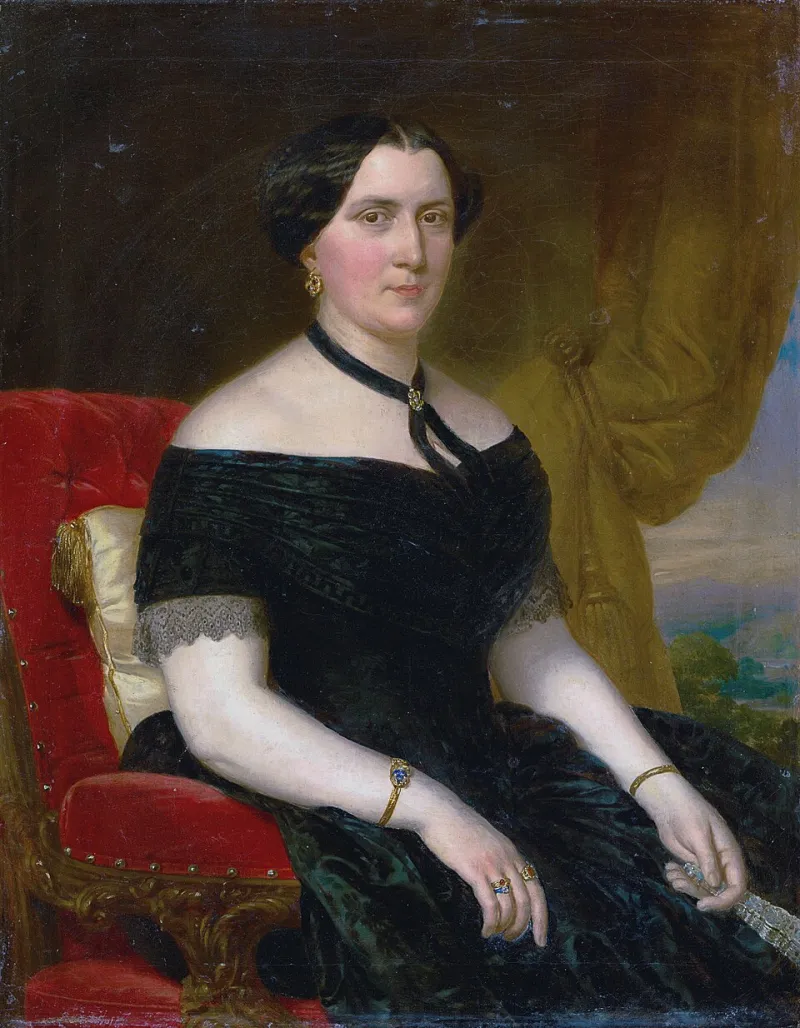
Photo: Miklós Barabás, Public domain, via Wikimedia Commons
There's something quietly radical happening in the dressing rooms and thrift aisles of America's alternative fashion scene. It doesn't look like a protest. It doesn't sound like one either. But run your hand across it and you'll feel it immediately — the deep, light-swallowing pile of crushed velvet, the cool slip of charmeuse silk, the almost obscene softness of a cashmere blend. Alt fashion is going luxe, and it's doing it on purpose.
For a long time, the dominant language of alternative style was roughness. Distressed denim, raw hems, hardware-heavy leather, deliberately ugly shoes. There was beauty in that abrasion, absolutely. But somewhere between the rise of fast fashion's race-to-the-bottom pricing and a cultural moment that's making people think harder about what they own and why, something shifted. Texture came back. And not just any texture — the kind that costs something, whether that's money, patience, or the hours you spent hunting it down at an estate sale in Ohio.
Why Velvet Became the New Safety Pin
Punk's original gesture was accessibility — anyone could rip a shirt, anyone could safety-pin it back together. But in 2025, the truly countercultural move might be investing in something that lasts. Fast fashion has colonized the aesthetic of rebellion so thoroughly that a $12 band tee from a mall chain now signals conformity more than defiance. Luxury fabrics, especially ones with sensory weight and presence, are doing what punk always did: refusing to blend in.
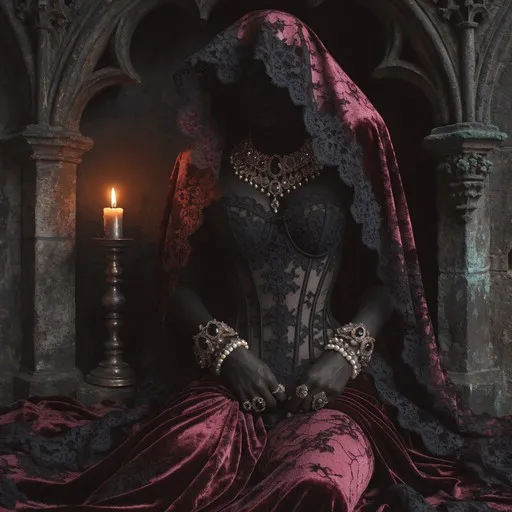
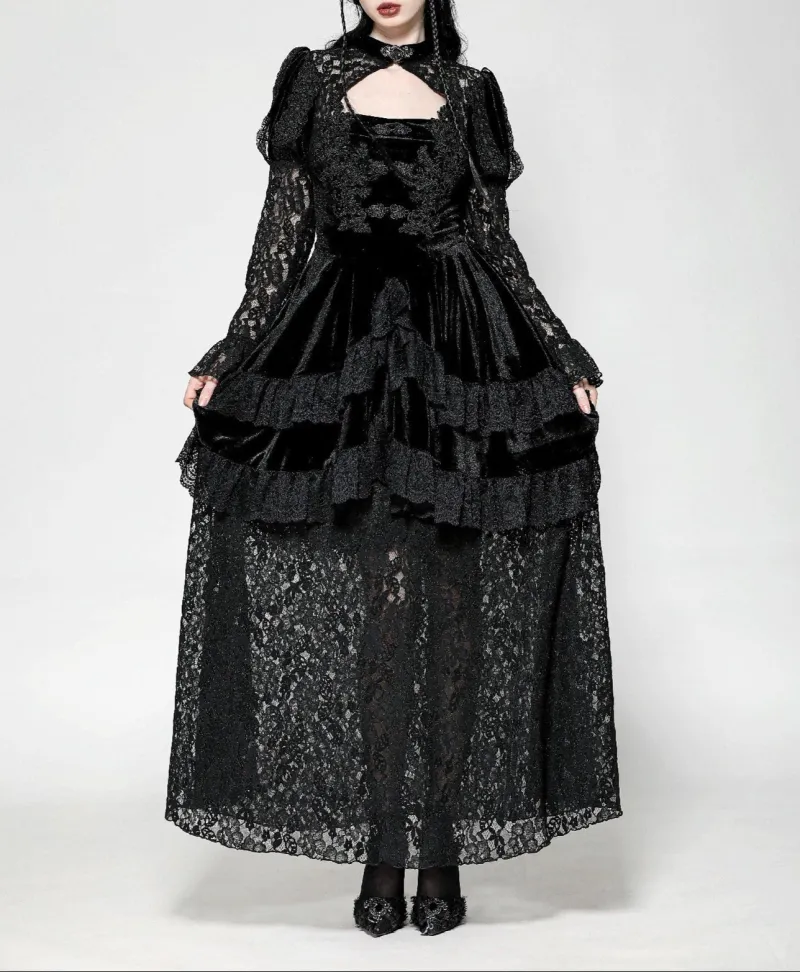
Velvet, in particular, has become a kind of shorthand for this new sensibility. It photographs dark and rich. It moves differently than anything synthetic. It demands to be noticed without announcing itself loudly. Pair a deep plum velvet blazer with combat boots and silver chain layering and you've got something that reads as both opulent and confrontational — a combination the alternative fashion world is absolutely here for.
But this isn't just about aesthetics. A lot of alt-fashion folks are actively naming the political dimension of what they're doing. Choosing quality over quantity is a rejection of the disposability economy. Caring about how something feels against your skin is a form of self-respect that the relentless churn of trend cycles actively discourages. Touch, in that sense, becomes an act of resistance.
Silk, Cashmere, and the Sensuality of Staying Power
Silk is having a serious moment in alt wardrobes, and it makes complete sense when you think about it. There's something almost transgressive about a silk slip dress worn under a structured moto jacket, or a silk button-down left deliberately half-open beneath a harness. The fabric's association with old-money femininity gets completely recontextualized when you layer it against hardware and dark suede. It stops being delicate and starts being dangerous.
Cashmere is trickier — it's expensive new, which is why the thrift-store and vintage-market angle is so central to how alt fashion is actually accessing it. Goodwill, Depop, ThredUp, and local consignment shops are full of cashmere sweaters from the '90s and early 2000s that cost a fraction of what they'd run new. A boxy black cashmere crewneck, slightly oversized, worn with wide-leg leather trousers and platform boots? That's a whole look. And it'll outlast approximately forty fast-fashion alternatives.
The key insight here is that luxury fabrics don't require luxury styling. They don't need to look expensive in the traditional, buttoned-up sense. They need to feel expensive — to you, first, and then to everyone else by proximity.
How to Work Luxury Fabrics Without Softening Your Edge
The concern people sometimes raise is that going tactile and sumptuous means going soft in the attitude sense. It doesn't. Here's how to keep the tension alive:
Contrast is everything. A velvet midi skirt with a band tee and chunky boots. A silk scarf tied around a leather jacket's collar. Cashmere with chains. The luxury fabric should feel slightly out of place — that friction is where the interest lives.
Go dark or go saturated. Ivory cashmere is gorgeous but it reads differently than forest green or oxblood. Deep, moody colors keep luxurious fabrics in alt territory. Jewel tones — emerald, sapphire, deep burgundy — are your best friends here.
Don't overthink proportion. Oversized luxury feels more subversive than tailored luxury. A slouchy velvet blazer is more Iron Rose than a fitted velvet blazer. Give things room to exist on your body in a way that feels claimed rather than curated.
Mix price points aggressively. A $200 thrifted cashmere coat over a $15 fishnet top is the whole point. This isn't about spending more — it's about spending smarter and more intentionally.
Let the fabric age. Velvet crushes. Silk wrinkles. Cashmere pills if you love it hard enough. That wear is not failure — it's evidence of a life actually lived in your clothes, which is exactly the story luxury fabrics are meant to tell.
The Self-Care Argument Nobody's Making Loudly Enough
Here's the thing that gets glossed over in most fashion discourse: wearing something that feels genuinely good against your skin is an act of self-care that has nothing to do with wellness culture or hustle recovery. It's simpler and older than that. Humans have always used beautiful materials as a way of honoring their own bodies and presence in the world.
Alt fashion has sometimes been suspicious of that — maybe rightly, given how easily "self-care" becomes a consumer trap. But there's a version of it that's purely about the relationship between your skin and what covers it. When you put on a velvet jacket that fits like it was made for you, or wrap yourself in a cashmere layer on a gray November morning in Chicago, you're not performing wellness. You're just choosing to feel good. Quietly, stubbornly, without anyone's permission.
That, as it turns out, is pretty punk.
The thorns are still there. They're just wearing velvet gloves now.