Petals and Spikes: How Embracing Softness Became Alt Fashion's Most Radical Statement
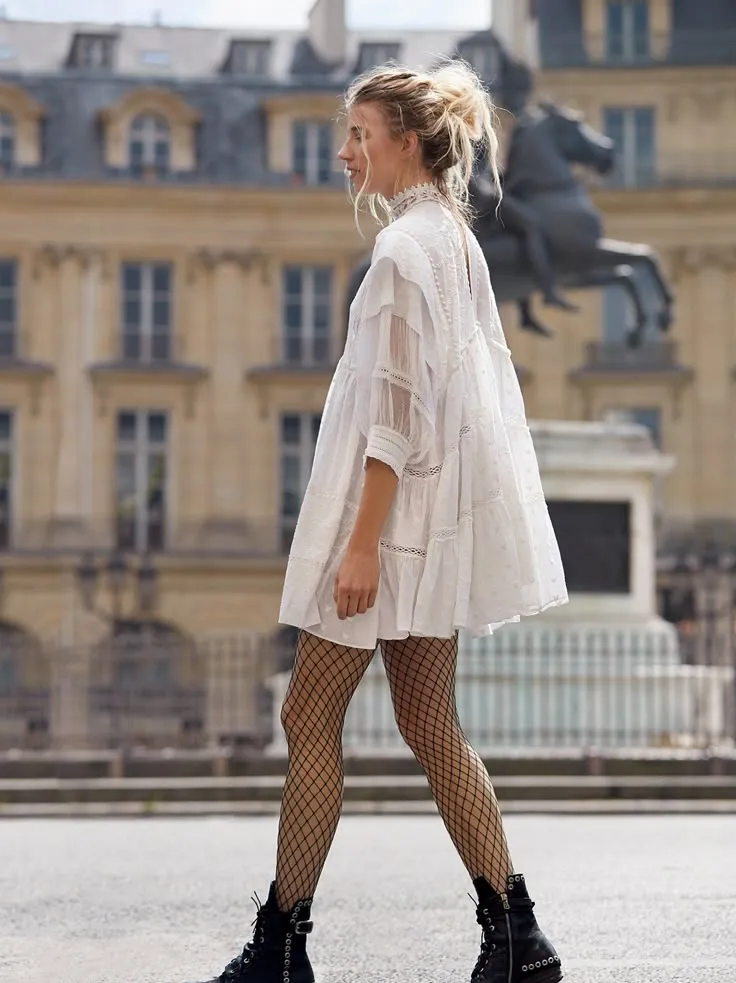
Photo: alternative fashion woman wearing pastel lace dress with combat boots edgy romantic aesthetic, via i.pinimg.com
There's a girl at the show in a shredded fishnet top, chunky platform boots, and — wait — a baby pink satin skirt with a lace hem? Yes. And she looks incredible. And nobody's questioning it.
Something is shifting inside alternative fashion communities across the US, and it's not subtle once you start noticing it. The old binary — you're either soft or you're edgy — is quietly being dismantled by a generation that refuses to choose. Gen Z alt-fashion lovers are layering chiffon over combat boots, pairing pastel corsets with studded belts, and wearing their emotional complexity on their literal sleeves. The question worth asking isn't just what they're wearing. It's why this feels so radical right now.
The Armor We Thought We Needed
For decades, alternative fashion drew much of its power from a kind of protective hardness. The leather, the black, the spikes — these weren't just aesthetic choices. They were signals. Don't come too close. I'm not like you. I've built something around myself that you can't easily touch. That armor served a real purpose for a lot of people who felt pushed out of mainstream spaces.
But armor, by definition, is a response to threat. And some of the most interesting alt-fashion voices today are asking: what happens when you stop dressing defensively?
"There's a generation coming up that still loves the darkness, still loves the edge, but they're not trying to prove anything with it," says Chicago-based stylist and alt-fashion consultant Mara Delacroix. "They've already decided they're valid. So now the clothes get to be about joy and expression, not just protection."
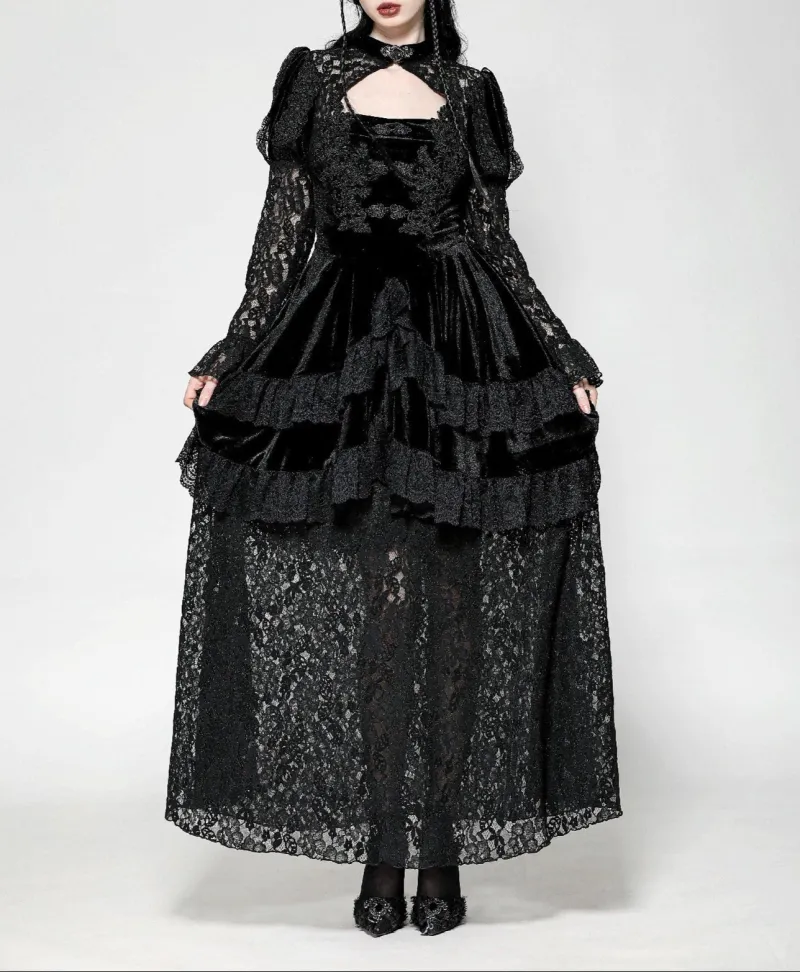
That shift — from armor to art — is opening the door to fabrics and silhouettes that older alt communities sometimes coded as weakness. Silk. Lace. Pastels. Ruffles. Things that have historically been dismissed as too feminine, too soft, too easy to dismiss.
Reclaiming 'Feminine' as Subversive
Here's the part where it gets genuinely interesting. Incorporating traditionally feminine elements into an alt aesthetic isn't a softening of the subculture. In a lot of ways, it's a deepening of it.
Alternative fashion has always been about rejecting the mainstream's rules. And for a long time, that meant rejecting femininity alongside everything else the mainstream pushed — because mainstream femininity came with its own set of oppressive expectations. But that rejection created a different kind of trap: the idea that to be taken seriously in alt spaces, you had to perform a certain kind of toughness. Softness became gatekept out.
"I was told for years that if I wore pink, I wasn't 'really' goth," recalls Brooklyn-based cultural commentator and zine writer Theo Vasquez. "Which is insane when you think about it. We were supposedly rebelling against mainstream rules, but we had just as many rigid rules of our own. Liking delicate things didn't make me less alternative — it made me more honest."
This is the softness paradox: the truly rebellious move in many alt spaces right now isn't adding more spikes. It's having the confidence to wear something gentle and daring anyone to tell you it doesn't belong.
What the Runways Are Confirming
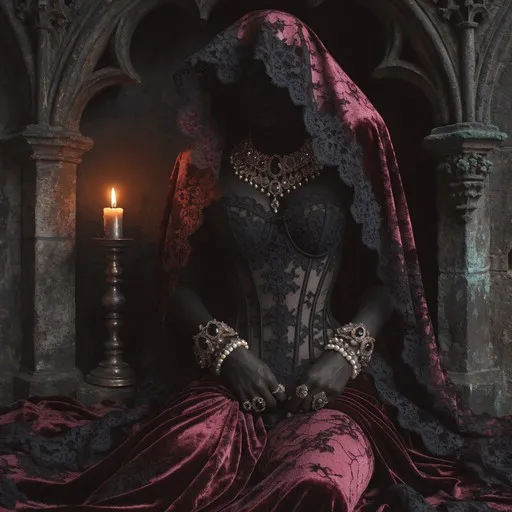
High fashion has been picking up on this tension for a few seasons now. Designers like Simone Rocha and the ongoing cultural conversation around romantic goth aesthetics have brought lace-edged darkness into mainstream editorial conversations. But the more interesting version of this story isn't happening on runways — it's happening at thrift stores in Austin, at DIY fashion swaps in Detroit, and in the outfit posts of alt creators with 40,000 followers who are mixing a $3 floral slip dress from Goodwill with a vintage band tee and making it look like a manifesto.
The aesthetic has names now — dark romance, soft goth, ethereal grunge — but the labels matter less than what they represent. These aren't just vibes. They're a coherent emotional position: I contain multitudes, and I'm done pretending otherwise.
Emotional Authenticity as the New Edge
Mara Delacroix puts it plainly: "Shock value is easy. Emotional honesty is terrifying. And terrifying is way more punk."
There's something to that. The original spirit of alternative fashion wasn't about following a specific aesthetic rulebook — it was about refusing to perform whatever identity mainstream culture demanded of you. If mainstream culture now demands a certain kind of curated toughness (and scroll through any social media platform for thirty seconds and you'll see that it does), then the genuinely alternative response might be to show up soft, open, and unashamed.
Gen Z, more than any generation before them, has grown up with the psychological vocabulary to articulate this. They talk openly about vulnerability, about emotional labor, about the exhaustion of performing strength. It makes sense that their clothes would start to reflect that same honesty.
Wearing the Contradiction
None of this means the edge is going away. The boots are still chunky. The eyeliner is still dramatic. The darkness is still there — it's just sharing space with something more tender now, and the tension between those two things is exactly the point.
At Iron Rose, this is basically our entire reason for existing. The whole premise — thorns and lace, not thorns instead of lace — is that contradiction isn't a flaw to be resolved. It's the most interesting thing about you.
So if you've been hesitating to reach for that lavender blouse because some voice in your head (or some gatekeeper in an online forum) told you it wasn't alt enough: ignore it. Wear the soft thing. Wear it with your harshest boots and your darkest liner and your most unapologetic self.
That's not a compromise. That's the whole point.
The rose needs both parts to be a rose.