The Care Manifesto: How to Preserve the Alt Pieces Worth Fighting For
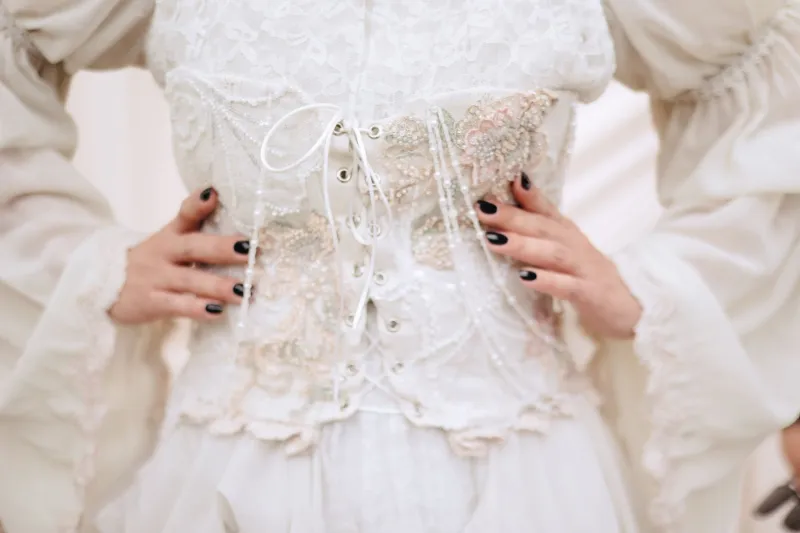
Fast fashion wants you to treat clothes as disposable. Buy it, wear it twice, toss it when the seams give out. The entire machine runs on your willingness to forget that garments can — and should — last decades. For alt fashion communities, that model has always felt like a personal insult. When your wardrobe is built around pieces with actual weight to them — structured corsets, broken-in leather, Victorian-era lace, hand-dyed silk — throwing something away because you didn't know how to take care of it hits different.
Proper garment care isn't glamorous content. Nobody's going viral for conditioning their boots on a Tuesday night. But for anyone who's ever found a perfect leather moto jacket at a thrift store or dropped real money on a statement corset, knowing how to maintain those pieces is genuinely radical. It's the quiet, practical side of rejecting throwaway culture — and it deserves its own manual.
Here's yours.
Leather: The Long Game
Leather is the cornerstone material of alt fashion and also the one most frequently mistreated. The number of otherwise incredible jackets that get ruined by neglect, wrong products, or panicked over-cleaning is genuinely heartbreaking.
The golden rule: leather needs moisture to stay supple. Without it, it dries out, cracks, and loses that lived-in quality that makes it beautiful in the first place. Conditioning every three to six months — more often if you live somewhere dry or wear it constantly — is non-negotiable. Skip anything petroleum-based. Look for conditioners with natural oils like lanolin, neatsfoot, or beeswax. Leather Honey and Bick 4 are both widely available in the US and work well across different leather types.
For vintage and thrifted leather, assess the piece before you condition. If it smells musty, a light wipe-down with a diluted white vinegar solution (one part vinegar, two parts water) on a soft cloth can neutralize odor without stripping the material. Let it dry completely before conditioning — and always air-dry leather away from direct heat, which causes irreversible warping.
Storage matters just as much as cleaning. Never store leather in plastic bags, which trap moisture and encourage mildew. A breathable garment bag or a dedicated spot in your closet where the piece can hang freely is ideal. If you're storing a jacket long-term, stuff the sleeves loosely with acid-free tissue to help it hold its shape.
Lace and Delicate Fabrics: Handle With Controlled Chaos
Lace is the thorns-and-roses paradox made textile. It looks fragile, and in some ways it is — but treated correctly, antique lace has survived literal centuries. The key is understanding what it actually needs, which is almost always less intervention than you think.
For machine-made modern lace, a mesh laundry bag and a cold, delicate cycle with a gentle detergent (Soak or Eucalan are both excellent and widely available) will usually do the job. Never wring lace. Press it gently between two clean towels to remove excess water, then lay it flat to dry on a fresh towel, reshaping it by hand while it's still damp.
For antique or truly delicate lace — the kind you found at an estate sale or inherited — hand washing is the only acceptable option, and even then, less is more. Fill a clean basin with cool water and a tiny amount of gentle detergent. Let the piece soak for ten to fifteen minutes without agitating it. Rinse by lifting it out and supporting its full weight, never letting it hang unsupported while wet, which can cause stretching and tearing.
Storage for lace: acid-free tissue paper is your best friend. Fold pieces loosely with tissue between the layers, or roll them around acid-free tubes if you have longer pieces. Keep them away from direct light, which yellows and weakens fibers over time.
Velvet, Brocade, and Heavy Textiles: The Anti-Crush Protocol
Velvet has a way of looking absolutely devastating until it gets crushed, and then it looks like you slept on it for a week. The fix for most velvet crushing is simple: hold the piece over a steamer or a pot of boiling water (without letting it get wet) and brush the pile gently in one direction with a soft-bristled brush or even your hand. The pile will lift. It's almost satisfying.
For brocade, jacquard, and heavily structured fabrics, dry cleaning is often genuinely necessary rather than just a cop-out recommendation. Before you take anything in, check the label and — if it's vintage with no label — do a spot test on an inconspicuous seam with a damp cloth. If the color bleeds or the fabric puckers, you're in dry-cleaning territory.
Hanging heavy brocade or structured pieces on thin wire hangers is a slow-motion disaster. Invest in wide, padded hangers that distribute the weight properly and won't distort the shoulders over time.
Statement Jewelry: More Fragile Than It Looks
Alt jewelry — chunky silver rings, oxidized cuffs, layered chains, resin pendants — tends to look indestructible but isn't. Silver oxidizes (which, honestly, can look incredible, but only if it's intentional). Plated metals wear through. Resin can cloud or yellow with UV exposure.
For silver pieces you want to keep polished, a dedicated silver polishing cloth is the gentlest option. For oxidized silver you want to preserve in its darkened state, avoid polishing entirely and store it away from air in a small zip-lock bag or an anti-tarnish pouch.
Chain storage is where most people go wrong. Tossing layered necklaces into a jewelry box together guarantees knots and damage. Hang chains individually on small hooks, or lay them flat in a lined drawer with dividers. For travel, threading each necklace through a straw before clasping it keeps chains separate and tangle-free.
Resin and acrylic pieces should be stored away from direct sunlight and heat — a windowsill display is a fast track to clouding and discoloration.
Thrifted Finds: The Revival Ritual
Bringing a thrifted piece back to life is one of the most satisfying things you can do as someone who takes their wardrobe seriously. Before anything else, wash or clean every thrifted piece before it enters your regular rotation — not just for hygiene, but because it gives you a chance to assess what you're actually working with.
For thrifted pieces with mystery stains, treat before washing. White vinegar on organic stains, rubbing alcohol on ink, dish soap on grease — always test on a hidden area first. For odors baked into fabric, a soak in cold water with a cup of white vinegar for thirty minutes before washing works better than most commercial products.
If a thrifted piece has loose buttons, fraying seams, or minor tears, address those before wearing. A basic hand-sewing kit and an afternoon is all it takes to extend the life of something by years.
Care as Commitment
There's something deeply alt about refusing to let the things you love deteriorate. Your wardrobe is an extension of your identity, and maintaining it is an act of ownership — over your aesthetic, over your relationship with consumption, over the narrative that clothes are temporary.
Fast fashion profits from the idea that care is too much effort. Prove it wrong. The leather jacket that gets better every year, the lace blouse that survives decades, the thrifted velvet coat that becomes a signature piece — those don't happen by accident. They happen because someone decided the piece was worth the work.
That's the whole ethos, really. Not just wearing the aesthetic, but committing to it.