The Beauty of Breaking Down: Why Alt Fashion Is Falling in Love With Flaws
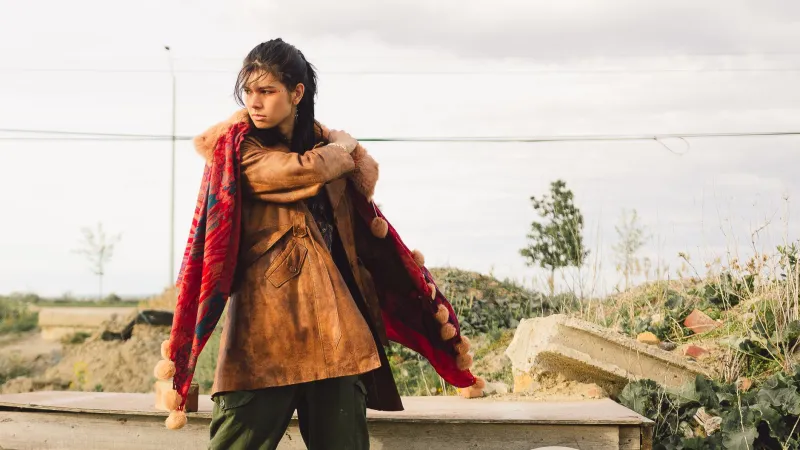
There's a rip in the sleeve. The hem is fraying. Somebody stitched a patch over a burn mark with mismatched thread, and honestly? It's the best part of the whole outfit.
This is where alt fashion lives right now — not in pristine, unworn pieces sealed in garment bags, but in clothing that tells the truth about the person wearing it. Scars, wear, distress, deliberate damage. These aren't accidents to be hidden. They're the statement.
While mainstream fashion keeps chasing that untouched, just-unboxed glow, alternative communities are moving in the opposite direction with real intention. The philosophy isn't just "I can't afford new things" or "vintage is cool." It's something deeper and more defiant than that — a rejection of the idea that beauty requires perfection, and that clothing should look like it's never been lived in.
The Problem With Flawless
Let's be real about what curated perfection actually costs. The fashion industry — particularly the aspirational, luxury-adjacent version of it — has spent decades selling an image of clothing that exists in some pristine parallel universe where nothing fades, nothing tears, and nobody sweats. Social media made it worse. Instagram aesthetics turned outfits into product shots, bodies into mannequins, and wardrobes into something you perform rather than inhabit.
Alt fashion has always pushed back on this, but the current moment feels different. There's a growing, almost philosophical commitment to imperfection — not as a compromise, but as a core value. Designers and stylists working in the alternative space are talking openly about designing for transformation rather than preservation. About building garments that are meant to change.
"I want my pieces to look better after two years of hard wear," says Brooklyn-based designer and maker Sable Voss, who creates custom gothic and dark-romantic garments out of her studio in Bushwick. "When someone brings something back to me for a repair, and it's got all this history on it — stains, repairs, fading — that's the version I actually want to see. That's the piece doing its job."
Voss intentionally uses fabrics that distress beautifully over time — linens that soften and wrinkle, velvets that develop bald patches in high-friction areas, silks that take on a worn, almost ghostly quality after repeated washing. The goal isn't durability in the traditional sense. It's graceful deterioration.
Patches, Repairs, and the Politics of Visible Mending
The visible mending movement — which gained serious traction in crafting and slow-fashion communities over the last several years — has found a natural home in alt fashion, where the politics of it land especially hard.
Visible mending is exactly what it sounds like: repairing clothing in ways that don't hide the repair. Sashiko stitching over a tear. A brightly colored patch over a worn knee. Embroidery that frames a moth hole instead of disguising it. In mainstream fashion spaces, this can read as charming and artisanal. In alt fashion, it reads as a manifesto.
When you wear your repairs openly, you're making a statement about real bodies doing real things in real clothes. You're refusing the fiction that your wardrobe exists outside of time and use and life. You're also, quietly, rejecting the disposability culture that fast fashion runs on — the idea that damaged clothing should be thrown away rather than honored and transformed.
Los Angeles-based stylist and alt-fashion consultant Mara Delacroix has been incorporating visible mending into editorial work and personal styling for the past three years. "There's something genuinely radical about showing the history of a garment on its surface," she says. "It's anti-aspirational in the best way. You're saying: this is worn, this has been through things, and it's more beautiful for it."
For Delacroix, the practice connects directly to how alt communities have always related to their own bodies — with a complicated, hard-won pride in the marks that living leaves behind. "A lot of people in these spaces have scars, stretch marks, bodies that don't fit the mainstream beauty mold. Clothing that celebrates imperfection isn't just an aesthetic choice. It mirrors something true about how we exist."
Designed for Decay
Some designers are taking this even further, building intentional deterioration into their process from the start.
Distressed denim has been a commercial staple for decades, but what's happening in alt design circles goes well beyond factory-applied fading. We're talking about garments that are acid-washed, bleached, burned at the edges, buried, submerged, and otherwise subjected to controlled damage before they ever reach a customer. The result looks nothing like the sanitized distressed aesthetic you'd find at a mall. It looks like something that survived.
Other designers are working with natural dyes that fade unpredictably, or with fabrics that respond to body heat and movement in ways that make each piece genuinely one-of-a-kind over time. The garment you buy isn't the garment you'll have in five years — and that's the whole point.
This philosophy has roots in Japanese wabi-sabi aesthetics, which find beauty in transience and imperfection, as well as in punk's long tradition of treating clothing as a canvas for alteration and destruction. But the current alt-fashion iteration feels distinctly American in its urgency — shaped by a cultural moment where authenticity is increasingly scarce and the pressure to present a polished, optimized self is relentless.
Wearing the Real Thing
There's an emotional dimension to all of this that's worth sitting with. Clothing that shows its history is clothing that's been with you. The jacket you've worn to every show for six years, the boots resoled twice, the dress you altered yourself with uneven stitches because you needed it to fit your actual body — these things carry weight. They mean something.
Alt fashion has always been partly about using clothing to communicate what mainstream channels won't let you say. And right now, what a lot of people in these communities are saying — loudly, through frayed hems and visible seams and patches sewn on crooked — is that they're done performing perfection.
The rose in the Iron Rose metaphor has always had thorns. The lace has always had the potential to tear. Beauty that requires nothing of you, that never shows a mark, that exists only in an unattainable pristine state — that's not beauty. That's a product.
Real beauty is what's left after the thing has been worn, loved, repaired, and worn again. And alt fashion, right now, is doing the work of making sure everyone can see it.