Wear Your Darkness: How Alt Communities Are Turning Fragrance Into a Form of Rebellion
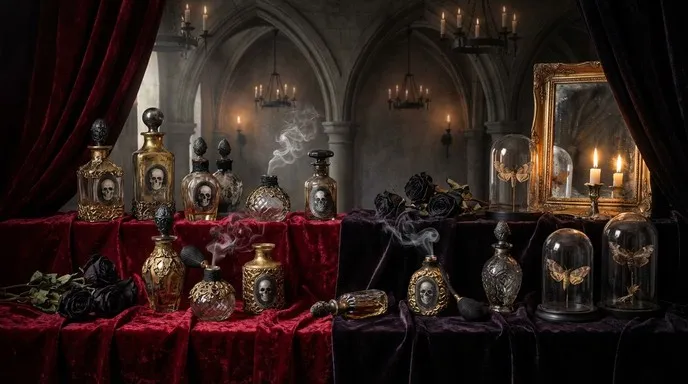
Photo: dark gothic perfume bottles velvet roses moody aesthetic, via images.stockcake.com
There's a moment every alt fashion person knows — you've nailed the outfit, the boots are laced just right, the jewelry is doing exactly what you asked it to do. And then someone walks past you wearing something that smells like a pink bottle with a celebrity's face on it, and the whole vibe collapses a little. Scent is the final layer. It always has been. But for a long time, the fragrance industry made it very difficult to smell like yourself if "yourself" didn't fit inside a glass bottle shaped like a bow.
That's changing fast. Alternative fashion communities across the US are treating fragrance the same way they treat a leather jacket or a vintage velvet coat — as a deliberate, values-driven choice that communicates something real about who you are. And the indie perfume market is more than ready to meet them there.
Why Mainstream Fragrance Lost the Alt Crowd
Walk into any Sephora or Ulta and the fragrance section tells a pretty consistent story: fruity florals, clean musks, and a wall of celebrity names attached to bottles designed to look aspirational in a very specific, very conventional way. For a long time, that was just the deal. You wore what was available, or you went without.
But alt communities — goths, witchcore kids, dark romantics, punk-adjacent maximalists — have always had a complicated relationship with mainstream beauty. The same instinct that drives someone toward a hand-dyed Victorian blouse instead of a fast fashion midi dress is the instinct that makes them put down the celebrity fragrance and start Googling "indie perfume dark florals" at midnight.
"There's a performative sweetness to a lot of mainstream scents that just doesn't match how I want to move through the world," says Dani, a Chicago-based stylist and longtime goth fashion creator. "I want to smell like I found something in a forest, not like I'm trying to be approachable at a networking event."
That sentiment shows up again and again in alt fashion spaces online. Fragrance communities on Reddit, TikTok, and niche Discord servers are full of people trading recommendations for scents that smell like old books, thunderstorms, burning wood, black roses, and cold stone churches. The vocabulary is specific. The intentions are clear.
The Rise of the Dark Scent
So what exactly is a "dark scent"? In perfumery terms, it usually means leaning into base notes — the deep, slow-burning elements of a fragrance that stick around longest and tend toward the complex and unexpected. Think oud, labdanum, vetiver, incense, tobacco, leather, dark musk, and resins. These are the notes that luxury fragrance houses have always leaned on, and they're the notes that indie perfumers are now building entire brand identities around.
Brands like Black Phoenix Alchemy Lab (a longtime favorite in goth and alt circles), Zoologist, Bogue Profumo, and smaller Etsy-based perfumers have built devoted followings by creating scents that tell stories mainstream fragrance doesn't touch. A scent inspired by Victorian mourning rituals. One that evokes a cemetery in autumn. Another that opens with smoke and settles into something that smells almost like a second skin.
These aren't cheap, and that's part of the point. Alt communities have grown increasingly resistant to fast beauty — the same ethics conversation happening around fast fashion is starting to bleed into fragrance. Niche and indie perfumers typically use higher-quality ingredients, produce in smaller batches, and skip the celebrity markup entirely. For consumers who've already made the shift toward buying less but buying better, this is a natural evolution.
Gender Is a Construct, and Perfume Finally Got the Memo
One of the most significant things happening in the alt fragrance space is the wholesale rejection of gendered scent marketing. The idea that florals are "for women" and woods and leathers are "for men" has always been a marketing invention, but it's one that the mainstream fragrance industry held onto with both hands for decades.
Alt communities — many of which center gender nonconformity, queerness, and fluid identity — have been pushing back on this for years. And indie perfumers have listened. The best niche fragrance brands today don't market to a gender. They market to a mood, an aesthetic, a feeling. A scent described as "dark forest, black iris, and smoke" doesn't come with a pink or blue label. It just is what it is.
"I wear what I want," says Marcus, a NYC-based photographer who styles himself in a mix of Victorian-inspired tailoring and streetwear. "My current everyday scent has sandalwood, vetiver, and something that smells almost like old leather. It's not marketed to anyone. It just smells expensive and a little dangerous, which is exactly right."
Building Your Scent Wardrobe the Alt Way
If you're ready to move past the department store counter, here's how alt fragrance enthusiasts actually approach building a collection:
Start with samples. Most indie and niche perfumers offer sample sets, and sites like Surrender to Chance and Scent Split make it easy to try before committing to a full bottle. This matters more with complex, dark scents — they can smell very different on skin than on a paper strip, and they evolve over hours in ways that sweeter mainstream fragrances typically don't.
Learn your notes. If you're drawn to the same aesthetic in fashion — dark florals, velvet textures, Victorian drama — you'll probably respond to fragrance notes like black rose, dark amber, labdanum, and incense. If your vibe is more witchy and natural, look for green notes, petrichor, moss, and earth.
Don't sleep on the indie Etsy perfumers. Some of the most creative scent work happening right now is coming out of tiny studios run by one or two people. These perfumers are often deeply embedded in alt and witchcraft communities, and their work reflects it.
Wear it like an accessory. The alt approach to fragrance isn't about smelling nice in a generic way — it's about completing a look. Your scent should feel like the invisible layer of your outfit, the thing someone remembers after you've left the room.
The Last Layer
Fragrance has always been intimate. It's the thing that lingers in a room after you've gone, the thing people remember without quite knowing why. For alt communities, that intimacy is exactly the point. Your scent is the part of your aesthetic that no one else can see but everyone experiences.
The mainstream fragrance industry is built on aspiration — on selling you a version of someone else's life in a pretty bottle. The alt fragrance revolution is built on something different: the idea that you already know who you are, and you just need the right scent to prove it.
That's not subversion for its own sake. That's just getting dressed properly — all the way down to the last layer.